Mobile Root Canals in Los Angeles, Orange County & San Diego
Your House Call Dentist in Southern California
Mobile Root Canals in Los Angeles, Orange County & San Diego
Root Canals, Brought Right to Your Loved One's Home
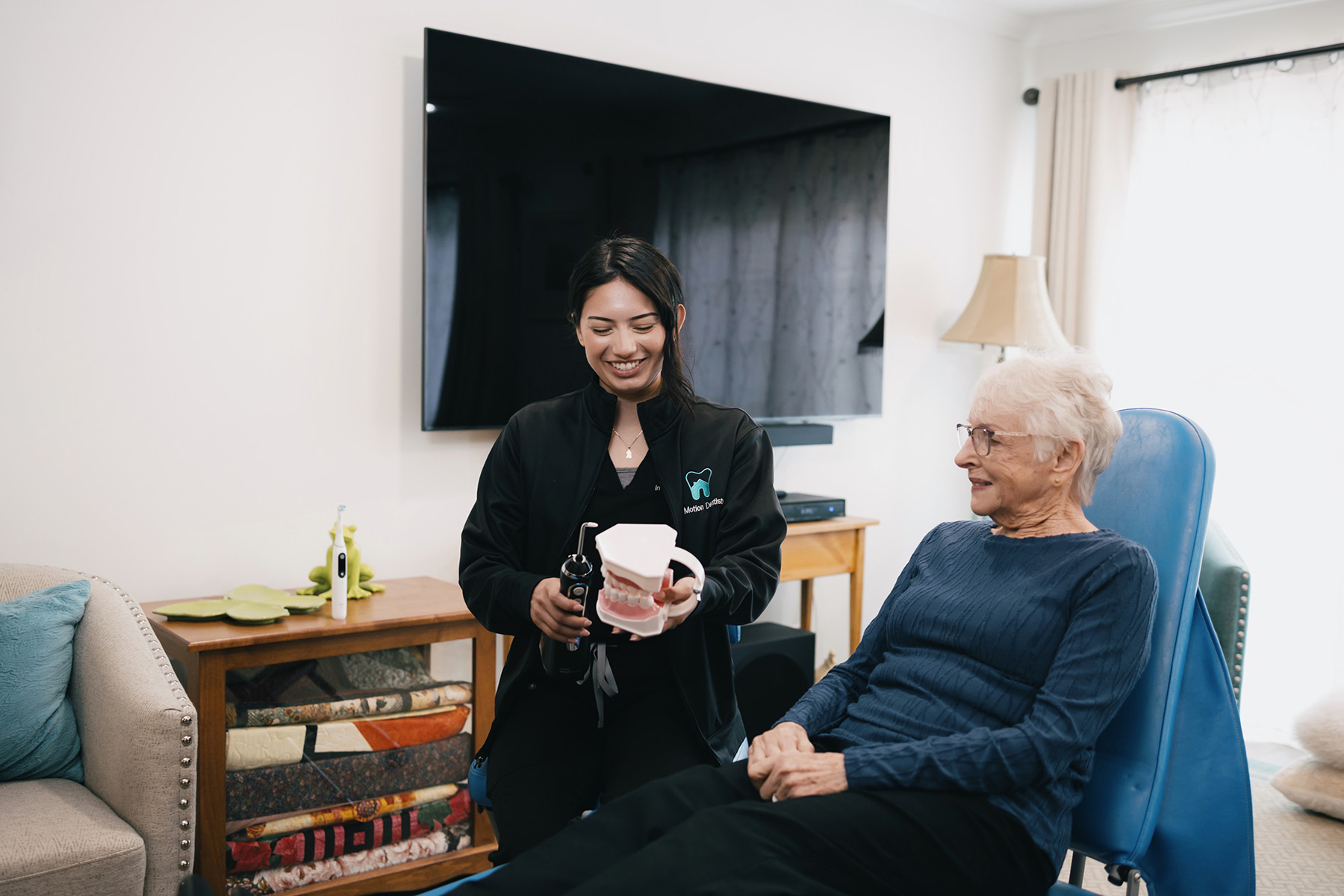
Dr. Banner and the team at In Motion Dentists treat painful, infected teeth with the same care you'd find in a top dental office, brought to where your loved one already is. A root canal saves a tooth that would otherwise have to come out. It clears the infection and ends the p
ain, so your loved one can eat, sleep, and feel like themselves again. For someone who can't easily get to an office, that means no transportation, no exhausting transfers, and no stressful waiting room.
This page walks you through what a root canal involves, how we handle it in a home or care facility, and what to expect. We bring our house call dental care to patients across Los Angeles County, Orange County, and San Diego County. To talk it through, call us at (626) 594-0374.
Quick Takeaways
- A root canal saves the natural tooth instead of pulling it. It clears out the infected nerve, stops the pain, and lets your loved one keep chewing on that tooth.
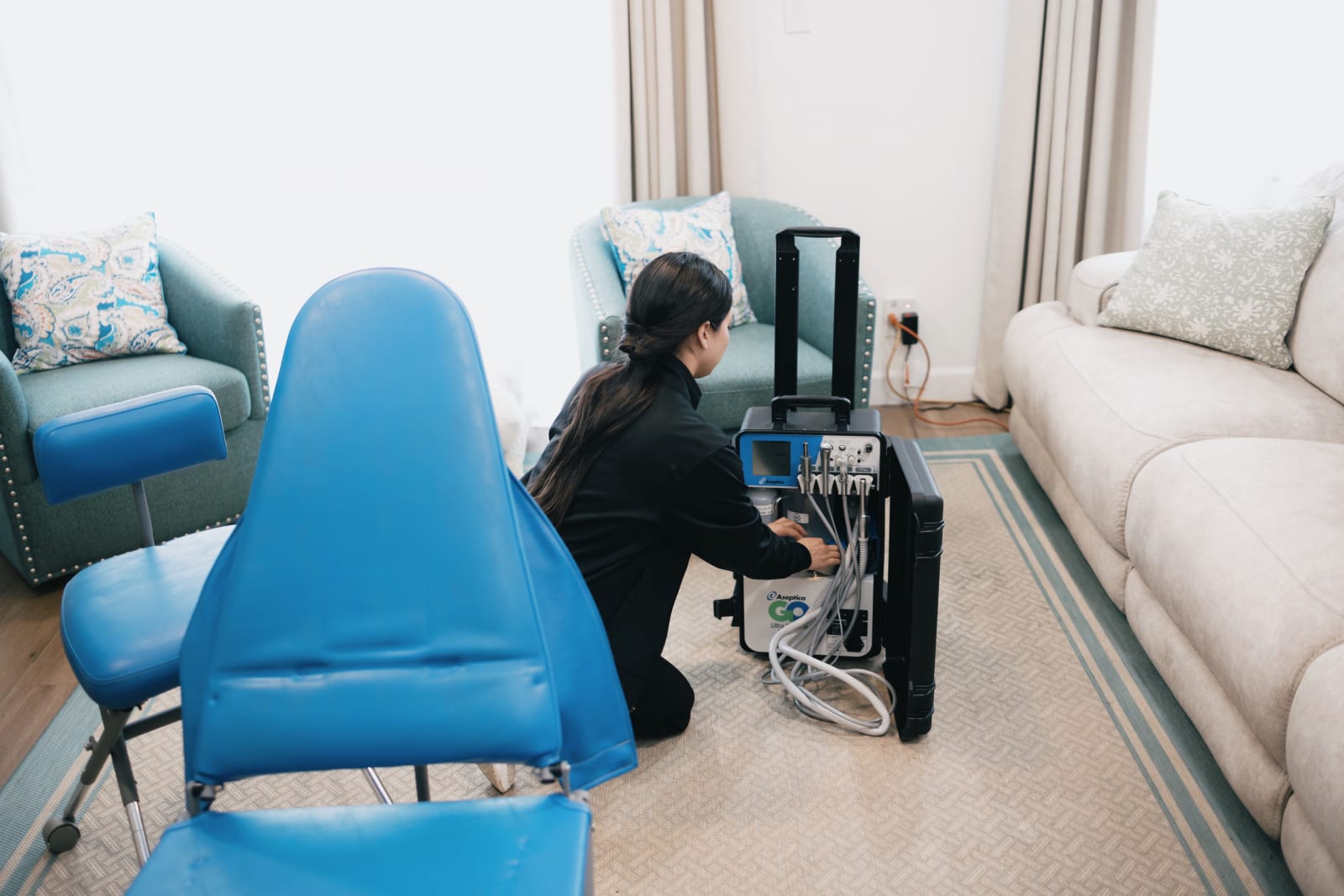
- We can often do it right in the home using professional portable equipment. A few complex cases are better referred to an office, and we'll tell you honestly which applies.
- Ask us about the crown. Most teeth need a protective crown afterward, which shapes the timeline and the plan.
- Know the warning signs, and watch for changes in eating or new agitation when a patient can't tell you.
- The next step is a phone call. Tell us what you're seeing and we'll help from there.
What a Root Canal Actually Is
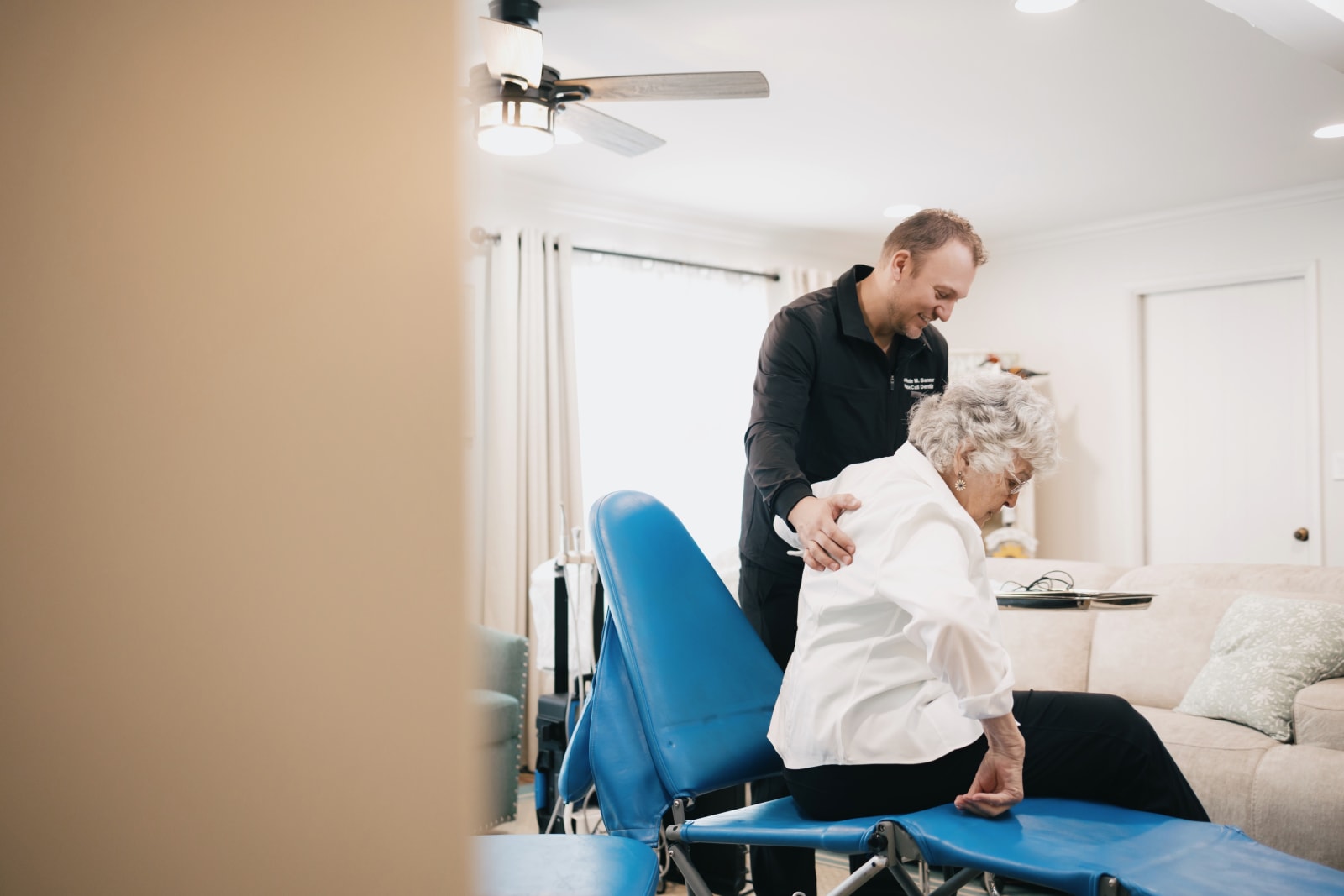
Inside every tooth is a soft center of nerve and tissue. When decay or a crack lets bacteria reach it, that center gets infected, causing the deep, throbbing ache people describe. Left alone, the infection spreads and the tooth is usually lost. A root canal clears out the infected inside while keeping the outer tooth in place.
Here's what happens during treatment:
- We numb the area thoroughly so the visit stays comfortable. Most patients say it feels a lot like having a filling done.
- We remove the infected tissue from inside the tooth, which is what takes the pain away.
- We clean and disinfect the canal to clear out the bacteria.
- We seal the tooth so new infection can't get back in.
- We protect it, usually with a crown. A treated tooth can turn brittle over time, so a crown caps it and restores full chewing strength.
Why It's Worth Saving the Tooth
- The pain stops. For someone who's been quietly suffering, ending the infection is the win that matters most.
- They keep their own tooth. Nothing functions quite like a natural tooth, and keeping it means no gap to manage and easier eating, which makes a real difference for nutrition, especially for seniors who've drifted toward soft foods. It's one reason senior dental care ties so closely to overall health.
- The rest of the mouth stays protected. When a tooth comes out and isn't replaced, neighboring teeth can shift and the bite changes.
- The result lasts, and it's often the simpler road. A root canal with a well-fitted crown can keep that tooth working for many years, while avoiding an extraction and the later decision of how to fill the space.
Who a Root Canal Is Right For
A root canal makes sense when a tooth is infected or badly inflamed but still has enough healthy structure to rebuild. That covers a lot of the people we see: a senior with deep decay, someone in pain who's avoided the dentist for years, a person with a cracked tooth that's reached the nerve.
It isn't always the right path. If a tooth is too far gone to restore, or a patient's medical condition makes a longer procedure risky, an extraction may be the kinder, safer choice. We look at the tooth, the X-rays, the patient's overall health, and their comfort level, then talk through the realistic options. We won't push one answer just to fill a slot.
Timeline and What to Expect
A root canal usually isn't a single quick stop. Here's how the visits tend to go:
- The exam. We assess the tooth, take X-rays with portable equipment, confirm a root canal is right, and decide whether it can be done safely where your loved one is.
- The root canal itself. Depending on the tooth and patient, this sometimes happens the same day, or we'll schedule it. We work at a pace the patient can handle, which matters a great deal for someone with dementia, anxiety, or limited mobility.
- The crown. Protecting the tooth afterward usually adds a visit or two so the crown fits well and the bite feels right.
For patients who do better with shorter sessions, we can break the work into smaller pieces. The familiar surroundings of home tend to keep people calmer and more cooperative than a clinical office, which often makes the whole thing go more smoothly.
Preparing Beforehand and Caring for the Tooth Afterward
There isn't much you need to do to get ready. Clearing a comfortable, well-lit spot where the patient can sit or recline does the job; a recliner, a bed, or a wheelchair all work fine. Having a current medication list on hand helps us treat safely, especially for medically complex patients.
Afterward, a little tenderness for a few days is normal and usually eases with simple pain relief. A few pointers:
- Stick to softer foods at first, and hold off chewing anything hard on that tooth until the crown is in place.
- Keep up gentle daily brushing around the area. We're glad to coach caregivers on how.
- Call us if the pain comes back or swelling shows up.
For patients who need ongoing help keeping their mouth clean, ask about our Assisted Teeth Brushing Program, a recurring in-home service that supports daily oral care between visits.
Cost and Financing
What a root canal costs depends on the tooth and whether a crown is needed, so we give you an honest number once we've examined the patient. If you call and ask, we'll tell you upfront. What you're paying for is skilled, specialized care delivered where your loved one is comfortable, with no transportation or draining transfers, from a team experienced with patients many offices struggle to treat.
We're a fee-for-service practice, with payment due at the time of treatment, and we gladly submit claims to your PPO dental insurance for maximum reimbursement. If spreading the cost out helps, we offer financing through Cherry, with 0% APR options and no hard credit check.
Why Families Choose In Motion Dentists
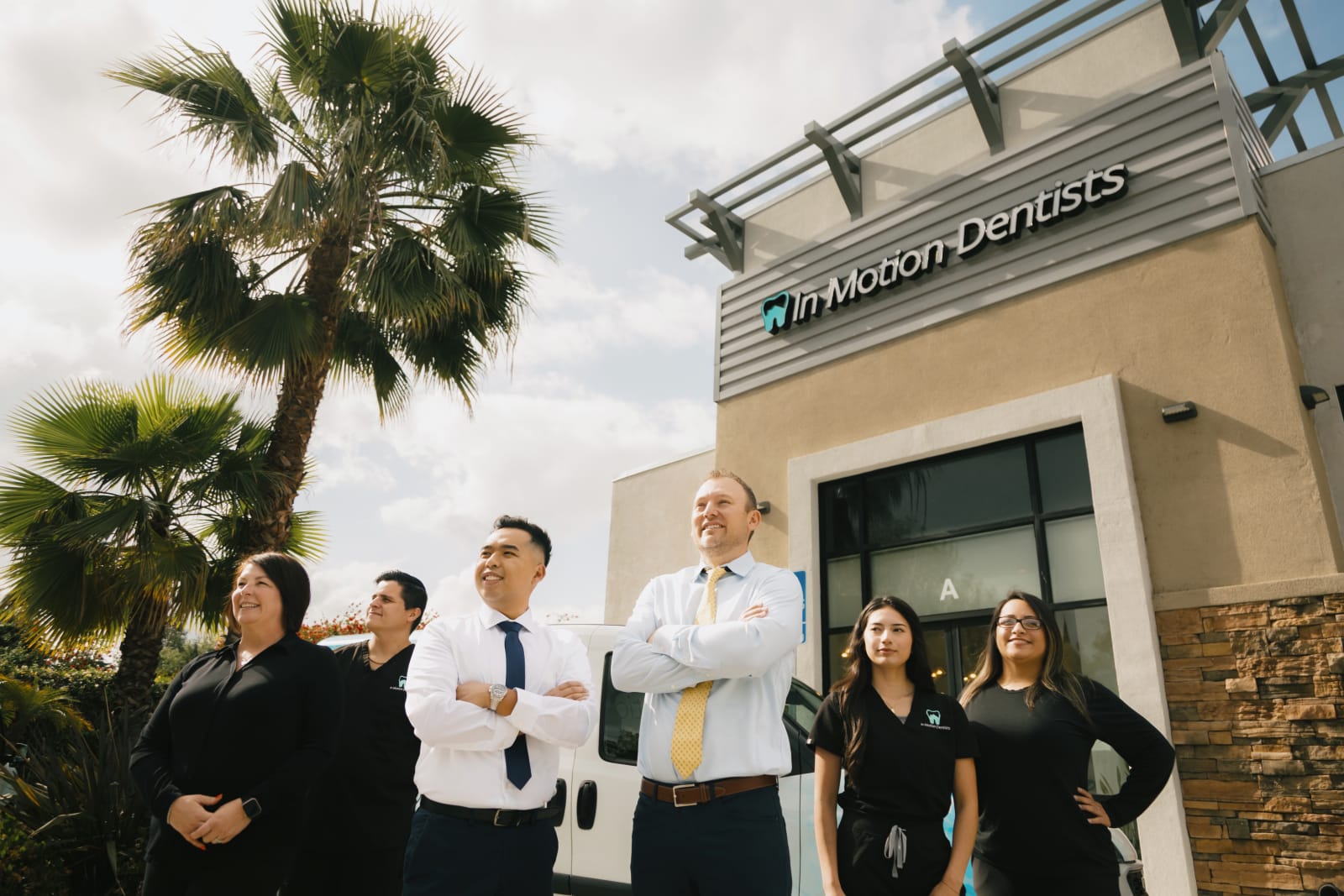
We built this practice around the people who have the hardest time getting to a dentist: seniors, homebound patients, wheelchair users, and adults living with conditions like Alzheimer's, Parkinson's, autism, or cerebral palsy. Caring for them well takes more than portable tools. It takes patience, steady clinical judgment, and a team that knows how to work within medical, behavioral, and physical limits while still doing real, thorough dentistry.
Dr. Banner has spent more than a decade providing house-call dental care, and our doctors are active leaders in organized dentistry across the region. We treat every visit as a conversation, helping you understand what's possible and what genuinely fits your loved one's condition and quality of life. Families across Los Angeles, Orange, and San Diego counties are often surprised by how much can be done at home. For the bigger picture, our house call dentistry overview walks through how it all works.
Frequently Asked Questions
Can a root canal really be done at home?
In many cases, yes. We bring professional portable equipment and set up a clean, organized treatment area wherever the patient is most comfortable. Some root canals are more complex and better handled in an office or specialist setting, and we'll tell you plainly which applies once we've examined the tooth.
Is a root canal painful?
The procedure relieves pain rather than causing it. By clearing out the infected tissue, a root canal ends the deep ache that brought it on in the first place.
How do I know if my loved one needs one if they can't tell me?
When a patient can't describe pain, the signs are often quiet ones: suddenly avoiding certain foods, eating only soft things, new agitation, pulling at the face, swelling, or a tooth that's darkening. If you've noticed changes like these, it's worth an evaluation. Years of senior dental care have taught us to recognize these signals early.
Does the tooth always need a crown afterward?
Most do. A tooth that's had its nerve removed can turn brittle, and a crown protects it so it can handle everyday chewing. We'll let you know during the consultation and build it into the plan from the start.
What if the tooth can't be saved?
If a root canal won't work or isn't safe, we'll talk through the options together, weighing the tooth, the X-rays, and your loved one's overall health and comfort. If a tooth does need replacing, we can discuss options like dentures or a bridge.
How long does the treated tooth last?
A root canal with a good crown and steady daily care can keep a tooth working for many years. Consistent brushing, watching for changes, and getting concerns looked at early all help it last, and we're happy to support caregivers with all of that.
Ready to Help Your Loved One Get Out of Pain?
That first call is usually easier than families expect, and you don't need everything sorted out beforehand. Tell us what you're seeing, and we'll help you figure out the next step together.
Whether your loved one needs senior dental care, broader house call dental care, or dentures, we bring it to them. Call In Motion Dentists at (626) 594-0374 and we'll arrange a visit somewhere comfortable and familiar, anywhere across Los Angeles, Orange, and San Diego counties.

Headquarters